
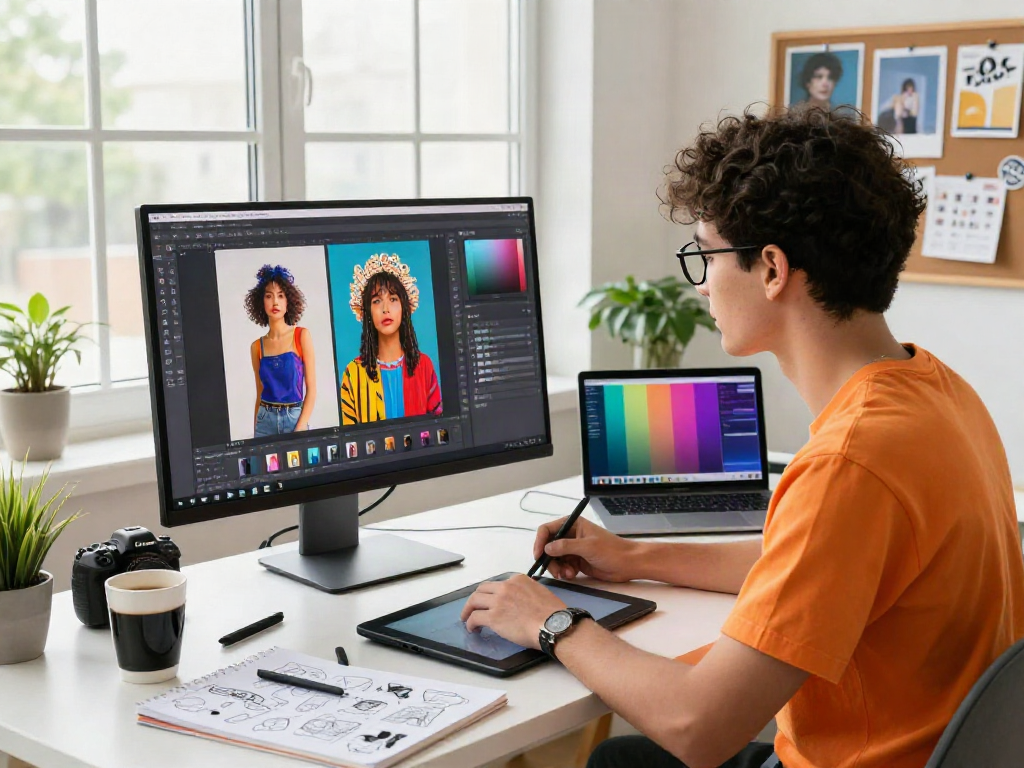
Understanding AI Image Editors
In the ever-evolving world of digital creativity, the advent of artificial intelligence has transformed the landscape of image editing. ai image editor tools have emerged as essential companions for both amateur and professional creatives, streamlining workflows and enhancing artistic expression. These powerful tools utilize advanced algorithms to automatically adjust images, making sophisticated edits accessible without requiring in-depth technical skills.
What is an ai image editor?
An AI image editor is a software application that employs artificial intelligence techniques to assist users in modifying digital images. This technology can analyze visual content, identify elements within an image, and apply enhancements or adjustments based on user preferences or predefined settings. Unlike traditional editing tools which often demand extensive manual input, AI-powered editors simplify complex tasks, allowing users to achieve professional-grade results more efficiently.
Key features of AI image editors
- Automated adjustments: AI image editors can automatically optimize parameters like brightness, contrast, and saturation based on the content of the image.
- Background removal: Many tools offer one-click solutions for isolating subjects from their backgrounds, making it easier to create composite images.
- Smart retouching: These editors utilize AI to identify and correct imperfections such as blemishes, wrinkles, and distracting elements.
- Style transfer: Some applications allow users to apply artistic styles from famous artworks to their images, producing unique creative outputs.
- Real-time previews: Users can see changes live, helping them make informed decisions during the editing process.
The benefits of using AI in image editing
Integrating AI into image editing brings a multitude of benefits. Firstly, it significantly accelerates the editing process, allowing creatives to focus more on their artistic vision than on the tedious aspects of editing. Additionally, AI image editors can enhance creativity by suggesting edits and transformations that users might not have considered. This results in unique outcomes and the discovery of new styles. Finally, accessible interfaces make these advanced tools usable for individuals across skill levels, democratizing art creation.
Challenges in Image Editing
Despite the advantages of AI in image editing, several challenges persist in the realm of digital creativity. Understanding these issues is vital for maximizing the benefits of these tools.
Common difficulties faced by creative professionals
Creative professionals often encounter obstacles such as time constraints, the overwhelming number of editing options, and the risk of over-editing. The desire for perfection can lead to frustration, especially when balancing quality with deadlines. Moreover, the learning curve associated with new technologies can hinder productivity.
Misconceptions about AI image editing tools
There are numerous misconceptions surrounding AI image editors, including the belief that they will replace human creativity or that they are only suited for beginners. In reality, these tools are designed to augment the creative process rather than replace it. They can streamline workflows while providing the flexibility that experienced editors seek.
Strategies to overcome editing challenges
To effectively navigate the challenges of image editing, professionals should consider integrating AI tools gradually into their workflow. Starting with specific tasks, such as batch processing or initial retouching, allows users to build confidence while maintaining creative control. Additionally, establishing a library of presets and templates can save time and lead to more consistent results.
Best Practices for Utilizing AI Image Editors
To fully harness the potential of AI image editors, it's crucial to adopt effective strategies. Here are some best practices for maximizing their functionality.
Step-by-step guide to effective image editing
- Plan your project: Define your goals and envision the final output before diving into editing.
- Upload the image: Import your image into the AI editor of choice.
- Use automated features first: Let the AI suggest enhancements based on its analysis.
- Make manual adjustments: Refine the automatic edits to align with your artistic vision.
- Save versions: Regularly save your work in different stages to track progress.
Techniques for combining AI tools and traditional editing
Combining AI tools with traditional editing techniques can yield remarkable results. Professionals can start with AI to enhance basic qualities and then employ manual adjustments for finer details. For instance, using AI for background removal followed by manual color correction can create a polished final image. Staying adaptable and open to feedback will promote continuous improvement.
Examples of successful AI-enhanced projects
Many creatives leverage AI image editors to produce stunning work. For example, fashion photographers often use AI tools for quick skin retouching, allowing them to focus on the artistic aspects of their shoots. Graphic designers frequently employ AI to generate mockups for client presentations, enhancing their workflow efficiency and visual communication abilities.
Real-World Applications of AI Image Editing
The applications of AI image editing span various industries, showcasing its versatility and adaptability.
Case studies in various creative industries
In advertising, brands have increasingly turned to AI image editing for rapid content generation. A notable example involves a major beverage company using AI to create hundreds of visually striking social media graphics in mere hours, significantly reducing the time-to-market for its campaigns. Similarly, in publishing, AI editors help streamline the workflow of editorial teams, allowing them to focus on storytelling rather than manual adjustments.
Impact of AI on photography and graphic design
AI image editing has revolutionized both photography and graphic design. Photographers can now deliver high-quality images faster than ever, while graphic designers benefit from enhanced creativity and reduced repetitive tasks. This leads to increased productivity and allows creative professionals to tackle more ambitious projects.
Future trends in AI image manipulation
As technology advances, we can expect even greater innovation in AI image editing. Future trends may include increasingly intuitive interfaces, more sophisticated algorithms, and improved integration with other digital tools. Moreover, as deep learning continues to evolve, AI image editors may become even better at understanding user preferences, resulting in a highly personalized editing experience.
Measuring Success with AI Image Editors
To maximize the benefits of AI image editors, it’s essential to establish clear metrics for success and productivity.
Key performance indicators for editing projects
Key performance indicators (KPIs) for image editing might include turnaround time, user satisfaction ratings, and the percentage of projects completed on time. These metrics provide insight into the effectiveness of both the AI tools and the creative workflow.
Tools for tracking workflow efficiency and outcomes
Utilizing project management tools like Trello or Asana can help track progress and streamline collaboration among team members. Integrating these tools with AI image editors can lead to improved visibility and accountability, resulting in more efficient project outcomes.
Emerging metrics for creative success in 2026 and beyond
As the industry evolves, new metrics are likely to emerge, focusing on user-generated content engagement and the qualitative impact of visual storytelling. Creatives should stay informed about these developments to ensure that they adapt their approaches accordingly.
What are the benefits of using an AI image editor?
The benefits of utilizing an AI image editor include faster workflows, improved image quality, enhanced creative options, and accessibility for users of all skill levels. By automating mundane tasks, these tools free up time for more creative endeavors.
How do AI image editors improve workflow?
AI image editors streamline workflows by automating repetitive tasks, providing quick suggestions, and offering real-time previews. This results in a more efficient editing process, allowing creatives to deliver high-quality results in less time.
Which industries are benefiting most from AI image editing?
Industries such as photography, advertising, fashion, and graphic design are experiencing the most significant benefits from AI image editing tools. These sectors rely heavily on visuals, making effective and efficient editing essential for success.
What features should I look for in an AI image editor?
When selecting an AI image editor, look for features like automated adjustments, background removal capabilities, smart retouching, and user-friendly interfaces. Additional features like cloud integration and collaborative tools can also enhance your editing experience.
Where can I find tutorials for AI image editing?
Numerous resources are available for learning about AI image editing. Platforms like YouTube, online courses on sites like Udemy, and manufacturer websites often provide tutorials to help users get started with these powerful tools.