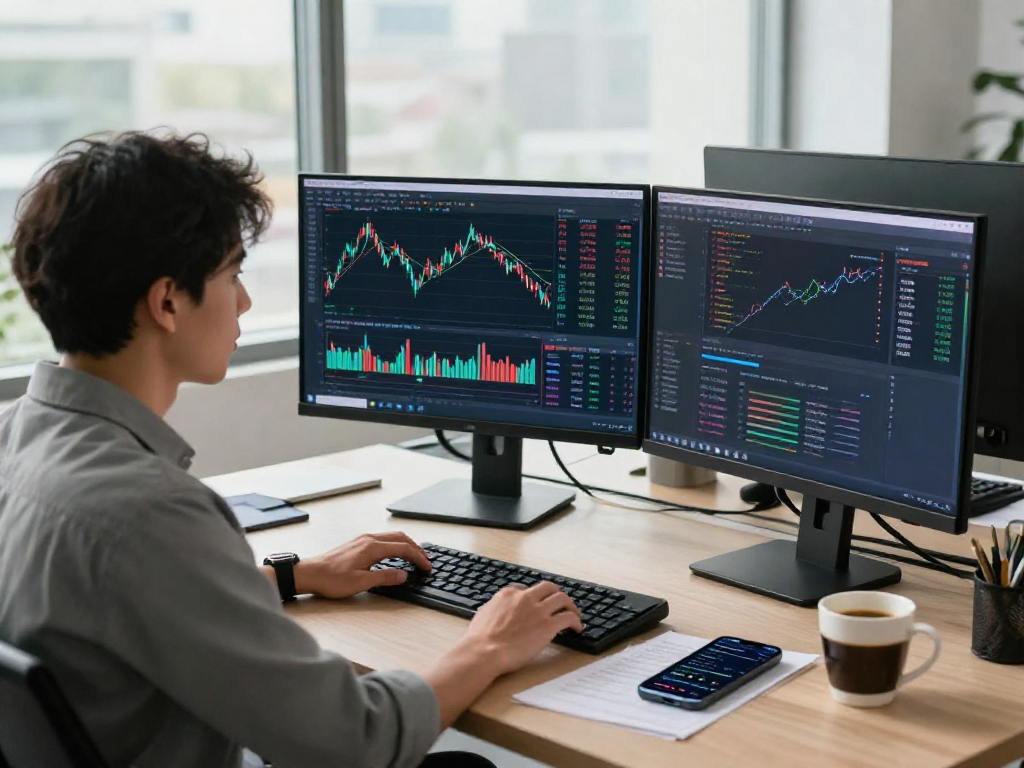
An Overview of TSE Stock Exchange Data Feed
The Tokyo Stock Exchange (TSE) is the largest stock exchange in Japan, a pivotal hub for equity trading in Asia and a cornerstone for international finance. Given its significance, the availability of real-time data is crucial for developers, fintech companies, and institutional investors. The TSE stock exchange data feed provides the raw data necessary for building advanced trading strategies, conducting thorough market research, and implementing quantitative analyses.
What is the TSE Stock Exchange?
The TSE was established in 1878 and has evolved into one of the most influential financial marketplaces globally. This exchange facilitates trading in various financial instruments, including stocks, bonds, and derivatives. Companies listed on the TSE include some of the biggest names in the world, such as Toyota, Sony, and SoftBank. The marketplace is not only vital for domestic investors but also draws significant foreign investment due to its stability and transparency.
Key Features of the TSE Data Feed
- Real-Time Data: Access to up-to-the-minute stock prices, ensuring that traders can make informed decisions instantly.
- Historical Data: A wealth of historical data that enables trend analysis and forecasting.
- Depth of Market Information: Insight into buy and sell orders, providing a comprehensive view of market liquidity.
- Multiple Access Points: Data can be obtained through RESTful API and WebSocket, allowing for flexible integration into existing systems.
- Coverage of Major Indices: Including the Nikkei 225 and the TOPIX, offering a broader view of the market's performance.
Benefits for Developers and Trading Platforms
The TSE stock exchange data feed is tailored for developers looking to enhance their trading applications. By integrating this data, they can:
- Build Robust Applications: With comprehensive data, applications can execute complex trading strategies.
- Customize User Experiences: Developers can provide personalized dashboards and alerts based on user preferences.
- Stay Ahead of Market Trends: Continuous access to market dynamics allows traders to adapt quickly to changes.
- Reduce Latency: Real-time data access via WebSocket minimizes delays, crucial for high-frequency trading.
Integrating TSE Stock Exchange Data into Applications
Integrating TSE data into trading platforms and applications requires a thorough understanding of both the data and the technologies available for utilization. Below are key aspects to consider:
Understanding RESTful and WebSocket APIs
APIs serve as the backbone for accessing stock exchange data. RESTful APIs are typically stateless and can handle multiple requests, making them suitable for accessing historical data. In contrast, WebSocket APIs offer a constant stream of real-time data, which is invaluable for applications requiring immediate updates. Understanding both methods allows developers to choose the optimal approach based on their application needs.
Step-by-Step Integration Process
- Define Requirements: Determine what data is needed for your application—real-time, historical, or both.
- Choose an API: Decide between RESTful or WebSocket API based on your data usage pattern.
- Authenticate: Most APIs will require an authentication token to access data securely.
- Set Up Data Handling: Develop functions to parse and store data for use within your application.
- Testing: Implement testing protocols to ensure data integrity and response times meet expectations.
Best Practices for Efficient Data Handling
When handling stock exchange data, consider the following best practices:
- Optimize Data Storage: Use databases that support fast retrieval and can handle large volumes of data.
- Implement Caching Mechanisms: This reduces redundant API calls, especially for historical data requests.
- Error Handling: Ensure your application can gracefully handle API downtimes or unexpected data formats.
- Monitor Performance: Track latency and response times to optimize user experience continuously.
Real-Time Market Analysis with TSE Data
Real-time analysis of market data is essential for traders needing to make informed decisions. Here are innovative ways to use TSE data effectively.
How to Leverage Historical Data for Predictions
Historical data offers invaluable insights into market trends and price movements. By applying statistical methods and machine learning algorithms, developers can build predictive models. These models can inform trading strategies by identifying potential entry and exit points based on historical performance.
Creating Customized Alerts and Insights
With the TSE stock exchange data feed, developers can create alerts based on custom parameters. This feature allows traders to receive notifications for significant price changes, news events, or when certain conditions are met. Such tailored insights enhance the trading experience and can significantly impact decision-making.
Tools and Technologies for Enhanced Data Visualization
Data visualization tools are crucial for interpreting complex data effectively. Libraries such as D3.js, Chart.js, and Plotly can transform raw TSE data into meaningful visual representations, making it easier for users to comprehend market trends and make educated choices.
Challenges in Utilizing TSE Stock Exchange Data
Every opportunity comes with its challenges. Utilizing the TSE stock exchange data feed is no exception, and being aware of these can help mitigate risks.
Common Obstacles in Data Implementation
Integrating and using stock exchange data often presents several technical challenges:
- Data Overload: The sheer volume of data can be overwhelming, necessitating robust infrastructure to manage it.
- Latency Issues: Real-time data streams require significant bandwidth, and slow connections can hinder performance.
- Data Accuracy: Ensuring data integrity is critical, particularly during high volatility market conditions.
Addressing Data Quality and Reliability Issues
Maintaining data quality is essential for any trading application. This includes:
- Regular Audits: Periodically review data accuracy and performance metrics.
- Third-Party Validation: Use data from multiple sources to cross-verify information.
- Feedback Mechanisms: Implement systems that allow users to report discrepancies in real time.
Strategies for Maintaining Compliance
Financial data is heavily regulated, and applications using TSE data must comply with relevant laws and standards. Key strategies include:
- Staying Informed: Keep abreast of regulatory changes impacting the financial sector.
- Implementing Data Usage Policies: Ensure that data usage complies with licensing agreements and privacy laws.
Future Trends in Stock Market Data Analytics
As the financial landscape evolves, so does the technology that underpins market data analytics. Here are some anticipated trends for 2026.
Predicted Innovations in Financial APIs for 2026
Advancements in API technology will likely focus on enhancing speed and integration capabilities. Expect features like:
- Higher Data Throughput: APIs that can handle more requests simultaneously will become common.
- Improved Security Measures: Increased focus on data encryption and secure access protocols to protect sensitive information.
The Role of AI in Stock Market Predictions
Artificial intelligence will play a pivotal role in analyzing vast amounts of data quickly. Machine learning algorithms will help predict market movements with greater accuracy, allowing traders to make data-driven decisions with confidence.
Preparing for Increased Competition in the Fintech Sector
As fintech continues to grow, companies using TSE data must innovate continuously. Building unique value propositions and enhancing user experience will be crucial for standing out in an increasingly crowded marketplace.
What is the importance of real-time data in trading?
Real-time data enables traders to react swiftly to market changes. The ability to execute trades based on current information can significantly affect profit margins and risk management.
How do I access the TSE stock exchange data feed?
Accessing the TSE stock exchange data feed typically requires registration with a data provider offering API access. Once registered, you will receive authentication credentials to start utilizing the data.
What are key features of a good stock market data API?
A good stock market data API should provide:
- Real-time updates and historical data access
- User-friendly documentation to facilitate integration
- Scalability to accommodate growing demand
What challenges might developers face when integrating stock data?
Common challenges include managing data volume, ensuring data quality, and developing scalable architectures that can handle real-time processing.
What trends can we expect in fintech by 2026?
The fintech industry is poised for rapid changes, including increased automation, enhanced user experiences through AI, and the emergence of new regulatory frameworks to address evolving technologies.